
Watch event recording
Background
At the 75th World Health Assembly (WHA) in May 2022, the WHO Director General proposed a harmonizing framework for strengthening the global architecture for health emergency preparedness, response, and resilience (HEPR), which was further expanded at the 76th WHA in May 2023. The HEPR framework outlined five critical, interconnected components – the first of which is Collaborative Surveillance. Through analysis of surveillance, laboratory and public health intelligence capacities needed to address the complex challenges faced during the COVID-19 pandemic and other major emergencies, the Collaborative Surveillance vision was defined.
Since then, the WHO Health Emergencies Programme at the HQ and Regional Office levels have been working in collaboration with Member States and partners to realize the Collaborative Surveillance vision and transform national, regional, and global public health surveillance capabilities for future pandemics and epidemics.
The Policy Makers Forum aims to:
- Explore country perspectives, successes, and opportunities to translate the Collaborative Surveillance vision into action;
- Facilitate discussion and potential alignment of surveillance strategies, initiatives, and resources;
- Identify and discuss the mobilization of resources for strengthening surveillance and public health intelligence capacities; and,
- Showcase advancements in Collaborative Surveillance.
| Agenda item | Speakers |
|---|---|
| Welcome | (MC) Mr Brett Archer, Epidemiologist, Surveillance Systems Department, WHO Health Emergencies Programme |
| Opening remarks | Dr Mike Ryan, Deputy Director General, WHO and Executive Director, WHO Health Emergencies Programme |
| Collaborative Surveillance in action | Dr Oliver Morgan, Director of Pandemic and Epidemic Intelligence Systems, WHO Health Emergencies Programme |
| Discussion Panel 1: | Prof Dame Jenny Harries, Chief Executive, UK Health Security Agency, |
| Country experiences | United Kingdom of Great Britain and Northern Ireland |
| Prof Nathan Kapata, Director, Emergency Preparedness and Response, Zambia National Public Health Institute | |
| Dr Mumtaz Ali Khan, Chief, Center for Disease Control, National Institutes of Health, Pakistan | |
| Prof Vernon Lee, Executive Director, interim Communicable Diseases Agency, Ministry of Health; Executive Director, National Centre for Infectious Diseases; and Adjunct Professor, Saw Swee Hock School of Public Health, National University of Singapore | |
| H.E. Dr Karina Rando, Minister of Public Health, Uruguay | |
| Dr Thanawat Rattanawitoon, Public Health Technical Officer and Head of Innovation Development and International Cooperation, Division of Occupational and Environmental Diseases, Department of Disease Control, Ministry of Public Health, Thailand | |
| Moderated by Dr Gina Samaan, Regional Emergency Director, WHO Regional Office for the Western Pacific | |
| Presentation: Data and interoperability standards to support the global advancement of Collaborative Surveillance | Prof Gérard Krause, Director of Surveillance Systems, WHO Health Emergencies Programme |
| Dr Patricia Ndumbi, Epidemiologist, Surveillance Systems Department, WHO Health Emergencies Programme | |
| Discussion Panel 2: Partner and investor experiences and opportunities | Ms Sadaf Lynes, Director of Collaborative Surveillance, Workforce & Health Emergencies, International Association of National Public Health Institutes (IANPHI) |
| Dr Barbara Mahon, Deputy Director, Surveillance & Epidemiology, Pneumonia and Pandemic Preparedness, Bill and Melinda Gates Foundation (BMGF) | |
| Ms Amanda McClelland, Senior Vice President, Prevent Epidemics, Resolve to Save Lives (RSTL) | |
| Prof Amadou Sall, Chief Executive Officer, Institut Pasteur de Dakar | |
| Dr Uyi Stewart, Chief Data and Technology Office, Data.org | |
| Moderated by Dr Oliver Morgan, , Director Pandemic and Epidemic Intelligence Systems, WHO Health Emergencies Programme | |
| Closing remarks | Dr Chikwe Ihekweazu, Assistant Director-General, Division of Health Emergency Intelligence and Surveillance Systems, incorporating the WHO Hub for Pandemic and Epidemic Intelligence, WHO Health Emergencies Programme |
Speaker biographies
 | Prof Dame Jenny HARRIES is the first Chief Executive of the UK Health Security Agency, an executive agency of the Department of Health and Social Care established in October 2021. The Agency works nationally and internationally, proactively using its science, data and operational response capability to protect the nation from infectious diseases and other external hazards to health. She brings clinical and public health expertise gained from working in the NHS and at local, regional and national government levels in the UK, Pakistan, Albania, India, Brazil and New Zealand. She was the UK’s Deputy Chief Medical Officer during the COVID-19 pandemic and has played central roles in the UK’s response to Ebola, Zika, Mpox, MERS and Novichok attacks. She previously served on the UK Joint Committee for Vaccination and Immunisation (JCVI). |
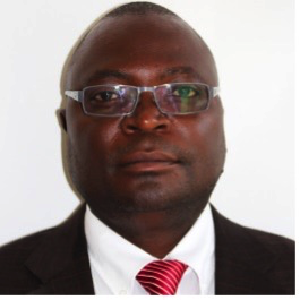 | Prof Nathan KAPATA is the Director of Emergency Preparedness and Response at the Zambia National Public Health Institute (ZNPHI). As an infectious diseases expert with more than 20 years‘ experience, he leads the technical coordination of emergency preparedness, prevention, response and recovery, as well as the IHR National Focal Point (NFP) in Zambia. As an advisor on numerous international initiatives, he has influenced national, regional and global policies and strategies. Additionally, he has led processes for strengthening national public health security, including the first legal instrument for national public health security in Zambia. Previously, he coordinated programmes for disease surveillance and control, AMR, TB/HIV, and NTDs, and was instrumental in strengthening the national health research agenda. |
 | Dr Mumtaz Ali KHAN is the Chief of Pakistan’s Center for Disease Control in the National Institutes of Health, dealing with infectious disease surveillance & outbreaks response. He has extensive experience in the field of clinical paediatrics and public health, including as Field Epidemiologist and Training coordinator at Field Epidemiology & Disease Surveillance Division, and leader of numerous outbreak investigation and response and research studies. |
 | Prof Vernon LEE is the Executive Director of the interim Communicable Diseases Agency, Ministry of Health, Singapore; Executive Director of Singapore‘s National Centre for Infectious Diseases; and Adjunct Professor at the Saw Swee Hock School of Public Health, National University of Singapore. He is a public health physician with extensive global health experience in pandemic preparedness and response, infectious disease epidemiology and health policy and management. During the COVID-19 pandemic, he played a key role in Singapore’s whole-of-government response. He was formerly an Advisor to the WHO Assistant Director General for Health Security and the Environment and continues to serve on international expert committees. |
 | Ms Sadaf LYNES is the Director of Collaborative Surveillance, Workforce and Health Emergencies, International Association of National Public Health Institutes (IANPHI). She is a board-level health systems expert with leadership experience across public health, integrated healthcare systems and translational research and innovation. Implementing evidenced-based health outcomes from prevention to value-based healthcare, Ms. Lynes has experience working in the UK, Middle East and internationally and teaches on a UK Russell Group Masters in Public Health programme. She is a Fellow at the UK Royal Society of Public Health and member of the UK Faculty of Public Health. |
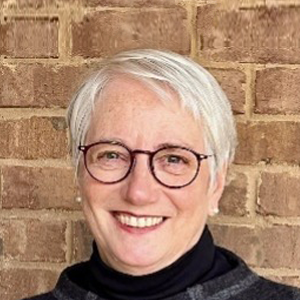 | Dr Barbara MAHON is the Deputy Director of Surveillance & Epidemiology at the Bill and Melinda Gates Foundation (BMGF), where she leads Pneumonia and Pandemic Preparedness in the Global Health Division. She is a paediatrician and infectious disease epidemiologist who focuses on public health surveillance, outbreak detection and response, and vaccines. She joined BMGF at start of the COVID-19 pandemic, contributing to the Foundation’s surveillance strategy before returning to the CDC, where she previously led the COVID-19 incident response, launched the CDCs Division for Coronavirus and Other Respiratory Viruses, and directed the Division of Bacterial Diseases in the National Center for Immunization and Respiratory Diseases. |
 | Ms Amanda McCLELLAND is the Senior Vice President of Prevent Epidemics at Resolve to Save Lives (RTSL), where she leads a team working to accelerate progress to make the world safer from the next epidemic. She is a notable expert in international public health management, especially in emergency health, epidemic control, mass casualty in low resource settings, disease prevention and response operations, whose achievements include coordinating frontline responses during the 2014 Ebola epidemic. Prior to joining RTSL, she served as the Global Emergency Health Advisor for the International Federation of Red Cross Red Crescent (IFRC). |
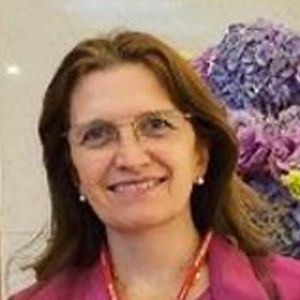 | H.E. Dr Karina Rando is the Minister of Public Health of Uruguay. Dr. Rando is a medical doctor with a specialization in anesthesiology and has served in both the public and the private health sectors. She has also held professorships in the topics of Physiopathology and Biomedical Engineering and received national and international awards for her work. Her professional experience includes humanitarian missions in Peru, Ecuador, and Vietnam. She assumed office as the Minister of Health in March 2023. This followed an appointment as General Director of Coordination at the Ministry of Public Health in May 2020, where she played a key role in Uruguay’s response to the COVID‐19 pandemic. |
 | Dr Thanawat RATTANAWITOON is a public health technical officer serving as the head of Innovation Development and International Cooperation at the Division of Occupational and Environmental Diseases, Department of Disease Control, Ministry of Public Health, Thailand. He is an expert in Occupational and Environmental Diseases and has extensive experience in community health. During the pandemic, he led the technical team responsible for developing the Bubble and Seal Prevention and Control Measures to manage COVID-19 in factories across Thailand. Recently, he has been involved in developing public health emergency response and surveillance systems for incidents such as chemical explosions and factory fires, working on creating measures and communication media for affected communities. |
 | Prof Amadou SALL is the Chief Executive Officer (CEO) of Institut Pasteur de Dakar in Senegal and Director of the WHO Collaborating Center for Arboviruses and Viral Haemorrhagic Fever (VHF). He is a virologist with expertise in epidemic response to arboviruses, VHFs, and other high threat pathogens, whose training and experience spans France, UK, USA, Cambodia, and Senegal among other countries. He is a member of several expert committees and scientific boards for WHO (e.g., GOARN, TDR, SAGE, and STAG-IH), OIE, CEPI, Africa CDC and the Africa Union, and chairman of the Pasteur Network. |
 | Dr Uyi STEWART is the Chief of the Data and Technology Office at Data.org. He oversees programmatic initiatives in capacity building and the development of Digital Public Goods (DPGs), which include the Generative AI Skills Challenge, Inclusive Growth and Recovery Challenge, the Capacity Accelerator Network, and Epiverse, among others. He is a trailblazing expert in Data Science, AI, Systems Thinking, and strategic digital innovation with over 25 years of experience across private and non-profit sectors. |
 | Dr Michael RYAN is the Deputy Director General of WHO and the Executive Director of WHO Health Emergencies Programme. At the forefront of managing acute risks to global health for over 25 years, he has worked in conflict-affected countries across the world, has led WHO’s operational responses to high impact events such as the COVID-19 pandemic and the SARS epidemic, and is a founding member of GOARN. He previously served as a Senior Advisor on the Global Polio Eradication Initiative, deploying to countries in the Middle East. |
 | Dr Chikwe IHEKWEAZU is the Assistant Director-General, Division of Health Emergency Intelligence and Surveillance Systems in the WHO Health Emergencies Programme, leading the WHO Hub for Pandemic and Epidemic Intelligence. He is an infectious disease epidemiologist with over 25 years’ experience working in senior public health and leadership positions in several National Public Health Institutes, including the Nigeria Centre for Disease Control (as the first Director-General), South African National Institute for Communicable Diseases (NICD), UK's Health Protection Agency, and Germany’s Robert Koch Institute (RKI), and acted as Interim Director of the West Africa Regional Centre for Surveillance and Disease Control. |
 | Dr Gina SAMAAN is the incoming Regional Emergency Director of the WHO Regional Office for the Western Pacific. She is an infectious disease epidemiologist with a career focus on pandemic risk management. For over 10 years she has served WHO at the country, regional and headquarters levels, where she coordinated global initiatives to strengthen preparedness and resilience, the Global Genomic Surveillance Strategy, and PIP Framework, among others. During COVID-19, she established a response unit focusing on country support, technical monitoring and liaison with the UN country teams through the UN Development Coordination Office. She previously worked and consulted for agencies including US-CDC, USAID, DFAT and DoH Australia, IOM, RTI International to design or implement disease control initiatives. |
 | Dr Oliver MORGAN is the Director of the Pandemic and Epidemic Intelligence Systems Department in the WHO Health Emergencies Programme, based at the WHO Hub for Pandemic and Epidemic Intelligence in Berlin. He is a public health leader and epidemiologist with extensive international experience in public health surveillance and emergency response. He has conducted epidemiologic investigations of infectious disease outbreaks, chemical and radiation exposure incidents, natural disasters, and humanitarian civil conflicts. He has worked for the WHO since 2016, and previously the US Centers for Disease Control and Prevention, and UK National Health Service/ Health Protection Agency. |
 | Prof Gérard KRAUSE is the Director of the Surveillance Systems in the WHO Health Emergencies Programme, which among other priorities leads the development of global digital standards for disease surveillance and strengthening of field epidemiology capacity. He is a medical epidemiologist with over two decades’ experience leading surveillance and epidemiological research activities, including at the Robert Koch Institute (RKI) and Helmholtz Centre for Infection Research (HZI), Germany. He is a full Professor (W3) at the Hannover Medical School. He has conducted outbreak investigations and research studies in Latin America and Africa and is an inventor on three patents related to digital health and diagnostics. He initiated the development of the Surveillance Outbreak Response Management and Analysis System (SORMAS) and led the creation of the non-profit SORMAS Foundation. |
 | Dr Patricia NDUMBI is an Epidemiologist in the Surveillance Systems Department in the WHO Health Emergencies Programme, where she leads the initiative on data standards to improve surveillance systems interoperability. Her extensive global experience in field epidemiology and outbreak response, includes work with the WHO African Regional Office, Médecins Sans Frontiers, and the Spanish National Center for Epidemiology. She also coordinates the WHO Epidemiological Parameter Community and was instrumental in establishing the WHO Hub for Pandemic and Epidemic Intelligence. |
 | Mr Brett ARCHER is an Epidemiologist in the Surveillance Systems Department in the WHO Health Emergencies Programme. He has dedicated the past 15 years to strengthening public health intelligence for minimizing the impact of infectious diseases and outbreaks at state and national level in South Africa (NICD) and Australia (NCIRS, NSW Health, DHAC), regionally (WHO AFRO), and globally (WHO HQ). He played a leading role in the conceptualization of collaborative surveillance and is currently coordinating a programme to accelerate its implementation. |