
My name is Raquel Medialdea, and I am an epidemiologist who has been working at the WHO Hub in Berlin for the past two and a half years. . My daily work focuses on strengthening public health intelligence capacities in Member States around the world. This means I support countries in developing the skills and using the tools they need to detect health threats more quickly, analyze the data effectively and make informed decisions to protect their populations during health emergencies.
In February 2025, I deployed to Angola to support our WHO country office and the Angolan Government in tackling their largest cholera outbreak in nearly 20 years. Cholera is a devastating disease, and no one should die from it. Angola has faced repeated cholera outbreaks over the years, often worsened by inadequate sanitation and limited access to clean water. The country’s most severe outbreak in recent history occurred in 2006, with over 70 000 cases and nearly 3 000 deaths. Smaller outbreaks have occurred since, with the last being in 2016 and 2017, resulting in over 250 cases and 11 fatalities.
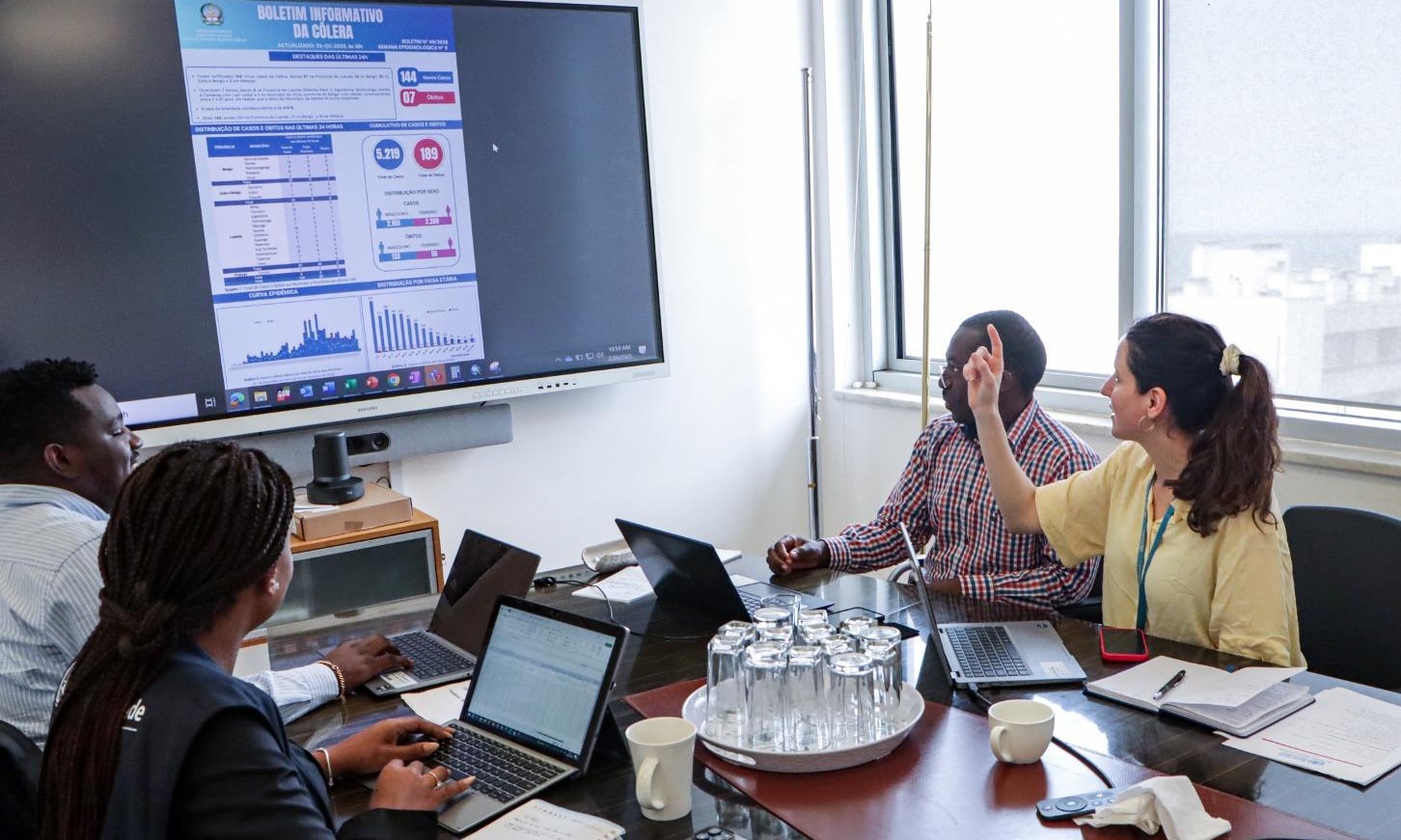
High-quality epidemiological reports, such as the one displayed on the screen are crucial to enhance cholera surveillance. WHO / João Carlos Domingos
Since the beginning of this year, Angola has been facing a rapidly worsening cholera outbreak with over 18 000 cases and nearly 600 deaths reported as of 6 May. It is now the largest cholera epidemic in Angola since 2007 and continues to pose a significant challenge. Vulnerable populations, including children and adolescents under 15 (who account for nearly 40% of cases), along with men, particularly males (who represent 63% of deaths), are most affected. This outbreak’s fatality rate exceeds 3%, driven by factors such as inadequate access to clean water and sanitation for a large proportion of the population, fragile health infrastructure, and high population mobility. It is undeniably a major public health emergency requiring a coordinated, data-driven response.
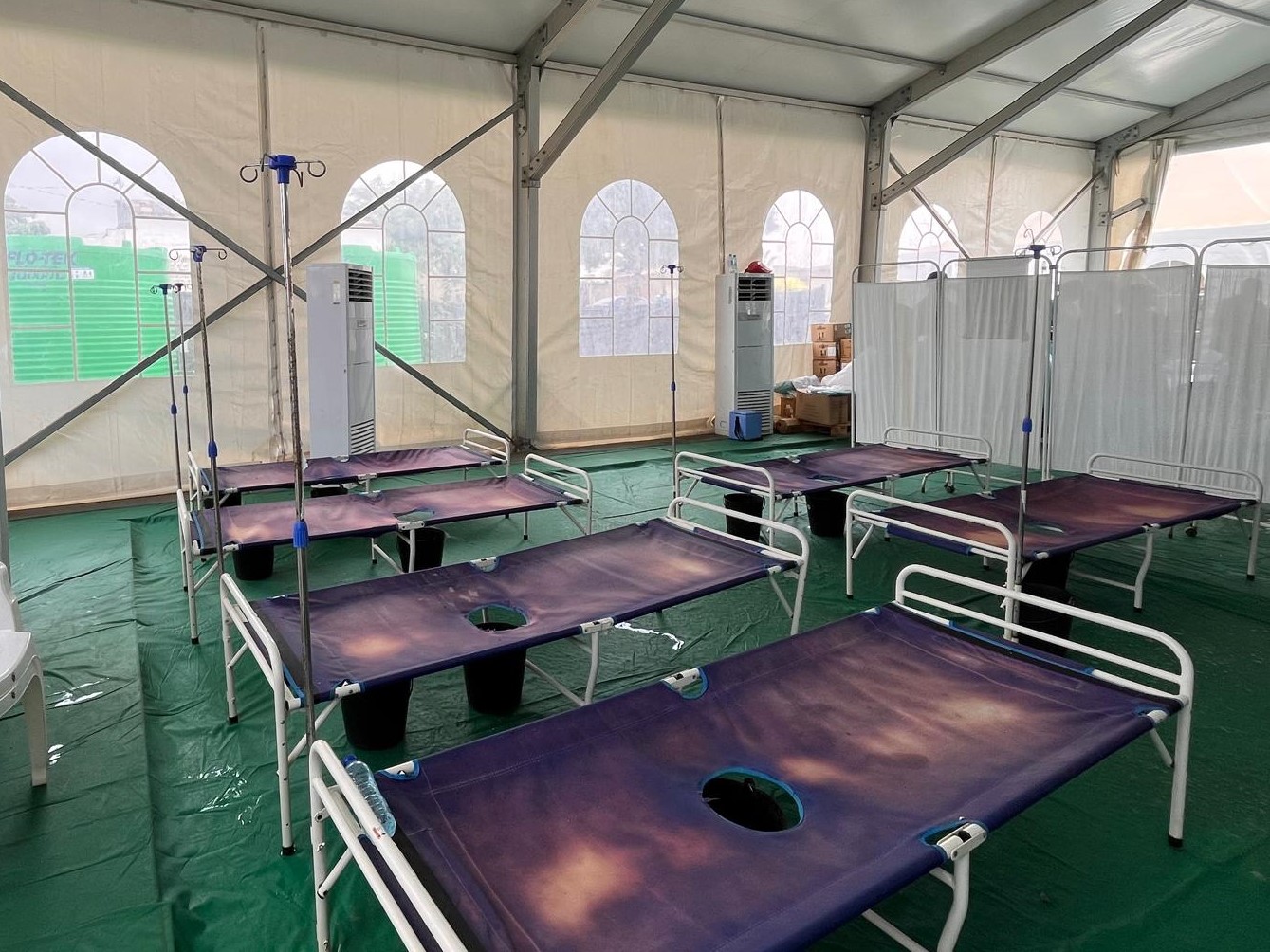
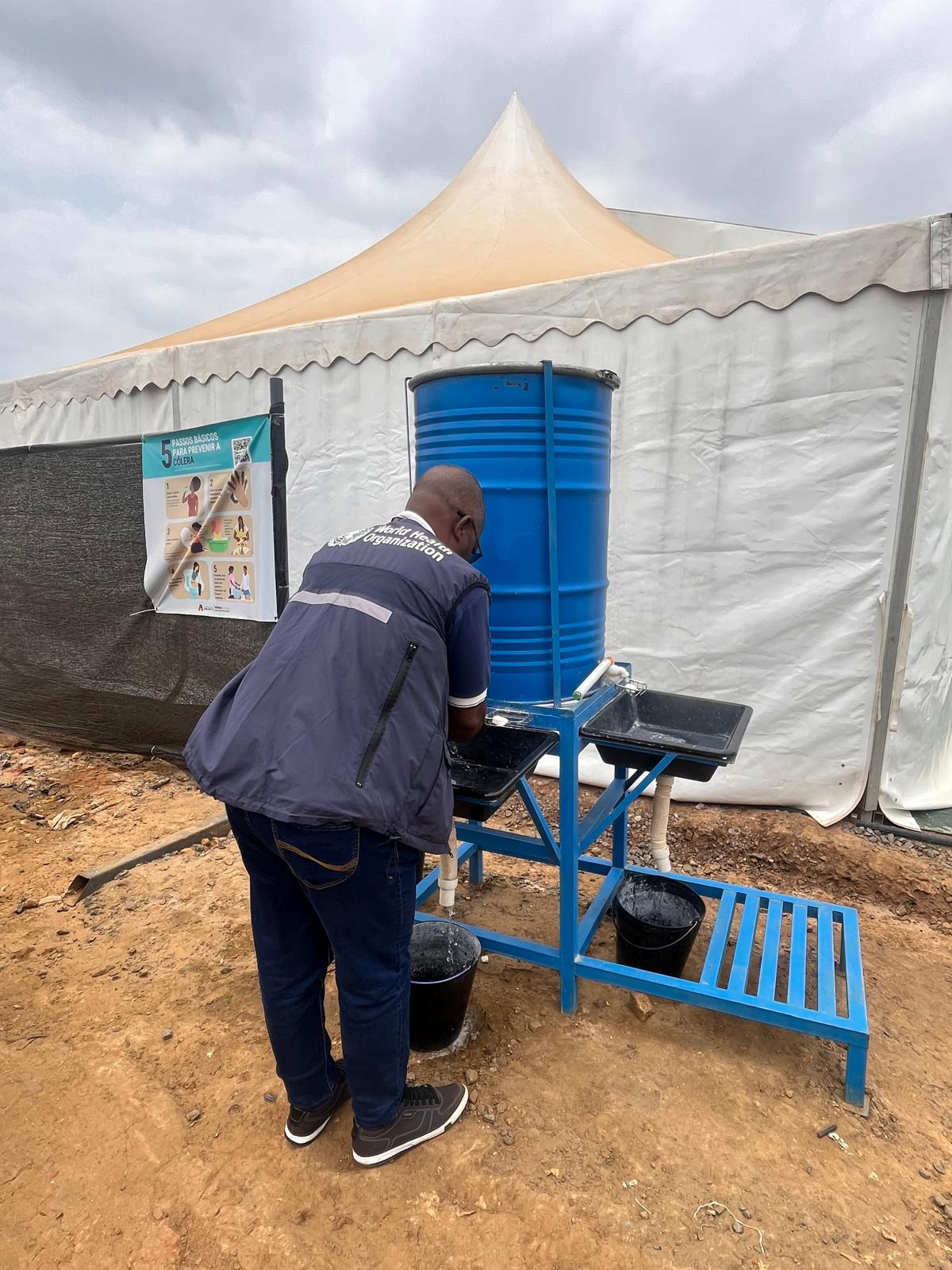
A cholera treatment centre in one of the most affected neighbourhoods in Luanda, providing critical care to those impacted by the cholera outbreak in a very high-risk area. WHO / Raquel Medialdea
Since arriving, I have been supporting the great work of Angola’s National Public Health Directorate, the Ministry of Health and the WHO Country Office. It is incredibly inspiring to work alongside the expert colleagues in Angola, both in the WHO Country Office and the Angolan health authorities. My focus is on enhancing cholera surveillance, data analytics, mapping, and operational research, all key tools for understanding and controlling this worrying epidemic. I also support vaccination campaigns, partner coordination, communication, resource mobilization and basically, anything else that is needed.
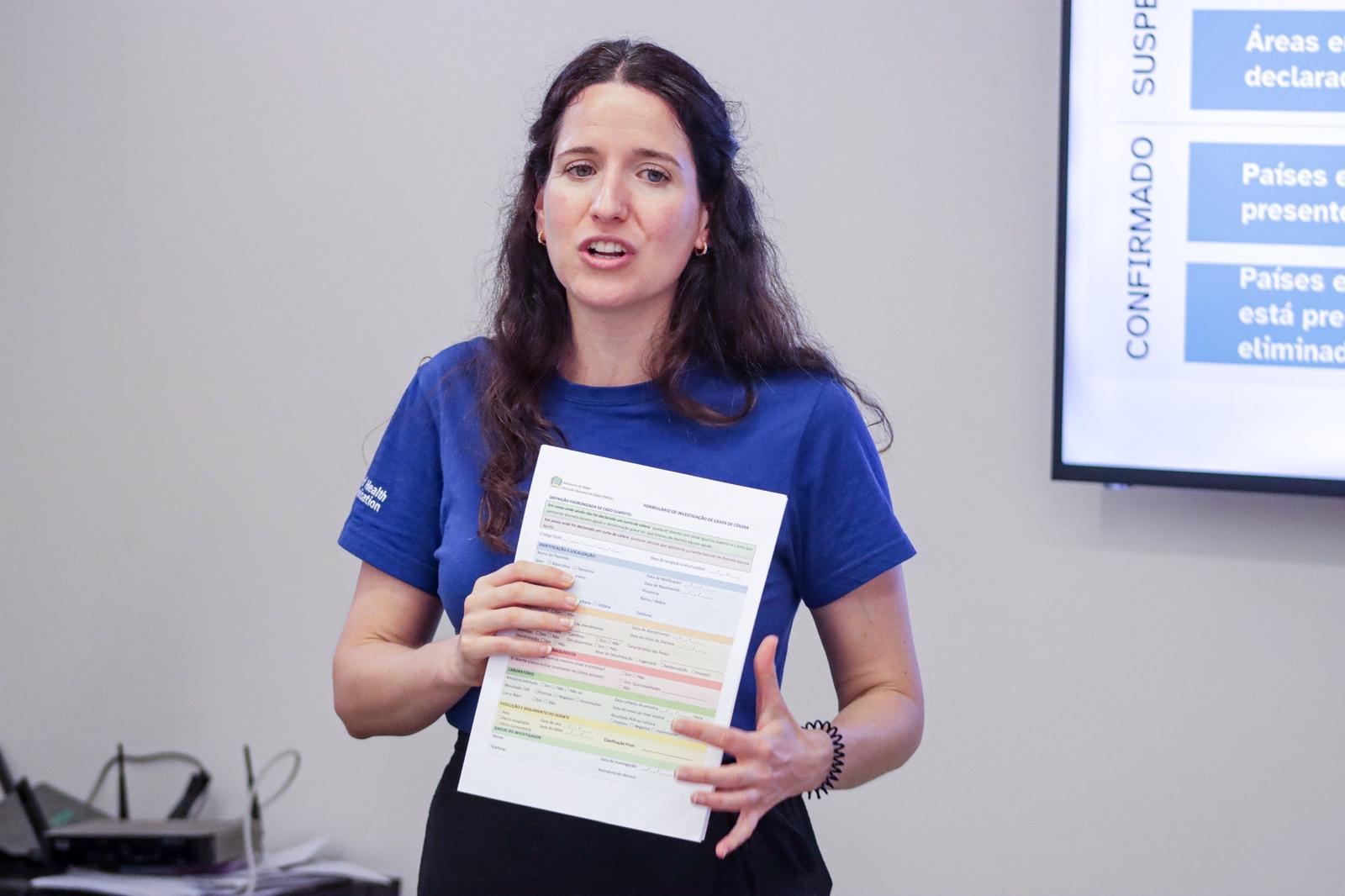
In March 2025, Dr. Medialdea conducted a training session focused on cholera surveillance for local experts, in Luanda, Angola. WHO / João Carlos Domingos
The cholera epidemiological analysis is the backbone of our response efforts in Angola. It helps us make data-informed decisions, allocate resources efficiently, and rapidly adapt our response activities based on the surveillance analysis. In outbreaks like the current epidemic in Angola, strengthening surveillance systems is crucial to capturing the evolving situation and ultimately controlling this outbreak. While numerous challenges exist across all response areas and levels, they also present opportunities for innovation and collaboration. Together, we are committed to supporting the great work of Angola toward ending this epidemic and restoring public health resilience.
We are working tirelessly here in Angola—fighting to control this outbreak before more deaths occur amid the rainy season's challenges. As they often say here, “Ainda estamos na luta, mais estamos juntos.” (We are still fighting, but we are together). Our goal is clear: to reach zero deaths from cholera. No one should die from this preventable disease, and with continued effort and collaboration, we can make this a reality.