
Welcome to the latest WHO Hub for Pandemic and Epidemic Intelligence news update!
Each month, we bring you the latest updates on our transformative approach to collaborative surveillance so that countries are better equipped to detect, monitor and manage public health threats.
We spotlight key projects, share insights from our experts, recommend resources and highlight upcoming events and opportunities.
📢 Voices from the Hub
“My name is Geoffrey Namara, and I work as a Country Support Officer at the WHO Hub for Pandemic and Epidemic Intelligence in Berlin. I work closely with countries to make sure that our programmes are driven by local needs and aligned with country priorities. One of the initiatives I lead is the Health Security Partnerships to Strengthen Disease Surveillance in Africa (HSPA).
Launched in 2023, HSPA focuses on building stronger disease surveillance and epidemic intelligence systems across the African continent. We are currently working with seven countries: The Gambia, Mali, Morocco, Namibia, Rwanda, South Africa and Tunisia. We support them to build capacities to detect outbreaks earlier and respond more effectively, whether the threat is natural, accidental or deliberate.
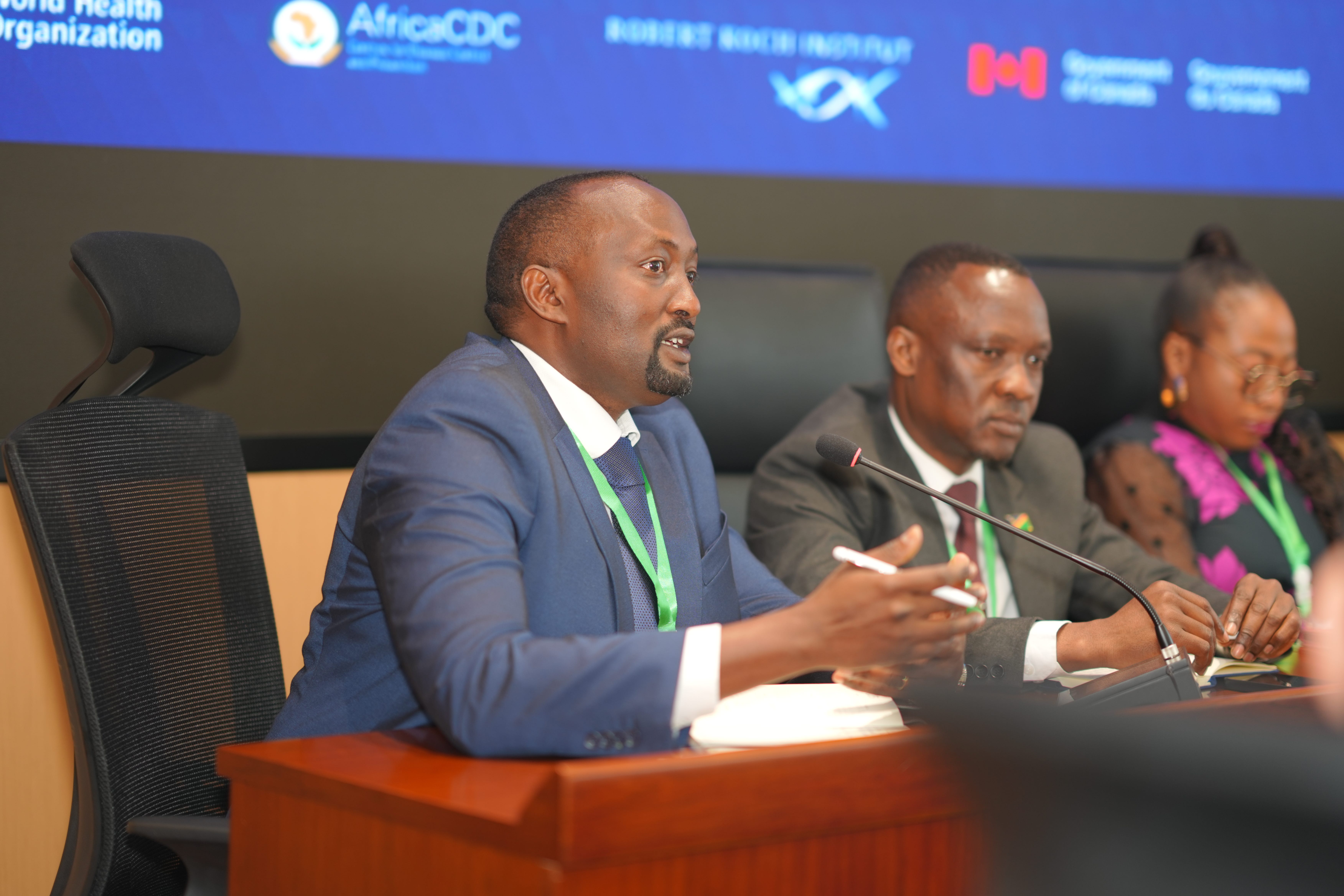
At the heart of the HSPA initiative is a collaborative surveillance approach: we bring together the health and security sectors of each country to work together to reduce the risks for biological threats. This is achieved through the implementation of a wide range of public health surveillance strengthening and biorisk management interventions that include integrated disease surveillance, epidemic intelligence, biosafety and biosecurity.
Together with the Africa Centres for Disease Control and Prevention (Africa CDC), the Robert Koch Institute (RKI) and the governments of Canada and the United Kingdom, we support countries in building capacity in biorisk management, event- and indicator-based surveillance, genomic surveillance and epidemic intelligence.
HSPA is part of a global effort to address biological threats and is closely aligned with the G7-led Global Partnership Against the Spread of Weapons and Materials of Mass Destruction and its Signature Initiative to Mitigate Biological Threats in Africa (SIMBA).
We have recently launched the second phase of the project and I look forward to continuing this successful collaboration.”
➡️ Learn more about the HSPA Initiative through this video.
➡️ Read more about the launch of the second phase.
📖 What to read
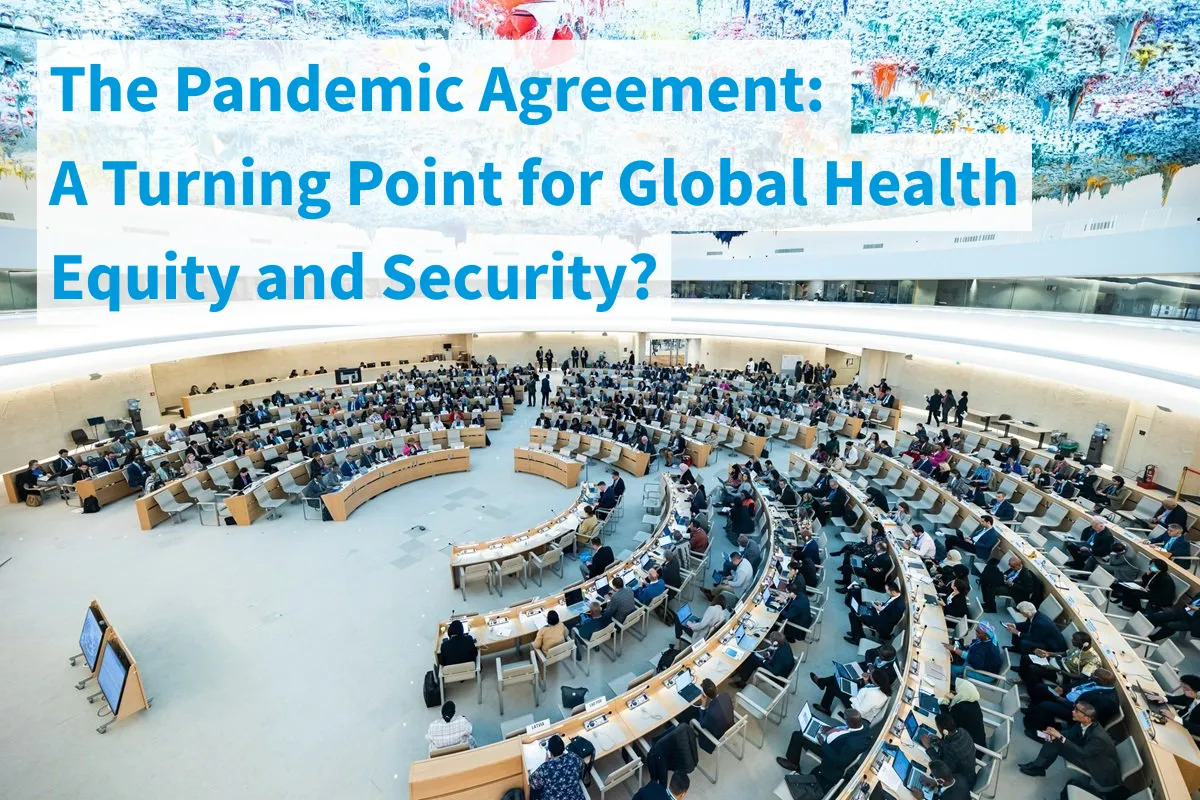
In May 2025, history was made when WHO Member States adopted the long-awaited Pandemic Agreement, to guide the world in preventing, preparing for and responding to future health emergencies. With the adoption of the agreement, the focus is now shifting to implementation. The Global Health Hub Germany spoke to Dr Oliver Morgan, Director of the WHO Hub for Pandemic and Epidemic Intelligence, on how the Hub can play a central role in supporting the implementation of the Pandemic Agreement by advancing collaborative surveillance and strengthening global capacities.
📺 What to watch
“New tools, new frameworks, new knowledge. This is what the Berlin Hub is providing for the world. We are now able to anticipate up to six months in advance what’s going to happen in terms of the trend of malaria, cholera and other diseases.” Dr Eduardo Samo Gudo, Director General of the National Institute of Health, Mozambique.
Supporting countries to better detect and respond to health threats is at the core of the WHO Hub’s mission. Watch this video to hear directly from our partners about how collaboration with the Hub is strengthening their capacity to protect lives.
🔁 What to share
At our latest Innovation Forum session, we explored how artificial intelligence can support infectious disease modelling and inform public health decision-making. Participants discussed how AI can enhance traditional modelling approaches, and how combining mechanistic and AI models can help maintain trust, transparency and adaptability during rapidly evolving outbreaks. There is still a need to improve data access and quality, reduce model bias and validate models across diverse geographies to ensure inclusive global health applications.
➡️ Read the main outcomes on LinkedIn and share the post with your network.
Follow us on LinkedIn
The WHO Pandemic Hub is on LinkedIn! Follow us for regular updates in English and German on how we support public health intelligence communities worldwide with innovative solutions, knowledge-sharing networks and stronger systems for better decisions during epidemics and pandemics.
👉 Follow us and leave us a comment, share or like!