
News
Browse selected news below
October: What’s new at the WHO Hub in Berlin
Oct 8, 2025, 08:05 AM
Welcome to the latest WHO Hub for Pandemic and Epidemic Intelligence news update!
Each month, we bring you the latest updates on our transformative approach to collaborative surveillance so that countries are better equipped to detect, monitor and manage public health threats.
We spotlight key projects, share insights from our experts, recommend resources and highlight upcoming events and opportunities.
Voices from the Hub
“My name is Dina Saulo, and I am an epidemiologist leading the community side of the Collaboratory project at the WHO Hub for Pandemic and Epidemic Intelligence in Berlin. I focus on building and strengthening the community that underpins the Collaboratory, supporting partners and individuals to advance collaborative analytics for pandemic and epidemic intelligence.
The Collaboratory is building both a community and a digital environment for the global pandemic and epidemic intelligence community to connect, conduct collaborative analytics and optimize their outputs for impact. Until now, there has not been one common space to share insights and collaborate. The Collaboratory addresses this gap by providing a digital hub where communities of practice can connect, exchange knowledge tools, resources, and collaborate.
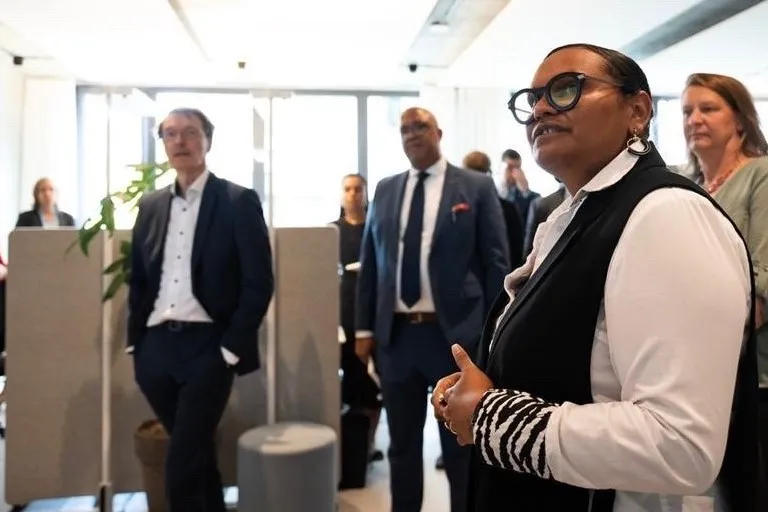
Our work combines two streams: developing the digital environment, guided by user research and technology, and engaging the community through partnerships, networks and communication.
The communities demonstrate how this works in practice. The Epidemiological Parameters Community is building a global epidemiological parameters repository making parameters accessible, save analysts time and effort, while the Mpox Analytics Community, established during the 2022 outbreak, continues to unite experts to share insights and strengthen analytical response.
Since launching in early 2023, the Collaboratory has grown to 1,300 members and over 20 communities of practice. Together, the members produce tools, analyses, and collaborations that reduce duplication and support decision-making.
For me, the most rewarding part is seeing analysts forming new connections, collaborating and building together. There are still challenges, but we continue to improve and place our member experience at the heart of our work. My key message is simple: we are quicker and stronger when we respond together.”
➡️ Find out more about the Collaboratory.
What to read
Published by a team of researchers from the WHO Hub in Berlin, the Robert Koch Institute and the London School of Hygiene and Tropical Medicine, this article looks at how infectious disease models can support decision-makers during public health emergencies. Whether predicting case numbers or evaluating mitigation measures, close collaboration between modelers and decision-makers is key and models are most effective when they are aligned with the questions decision-makers are asking.
➡️ Read the full article here.
What to watch
Ever wondered what it is like to be part of the GOARN Berlin Fellowship? In this new video, current and former fellows share how the programme helped them grow as professionals and support their countries’ preparedness for health emergencies. We are immensely proud of this fellowship, jointly run by the WHO Hub in Berlin, WHO’s Global Outbreak Alert and Response Network (GOARN) and the Robert Koch Institute (RKI), because it gives public health professionals a unique chance to deepen their skills in epidemic intelligence, surveillance and outbreak response while working alongside leading experts at WHO and RKI.

What to share
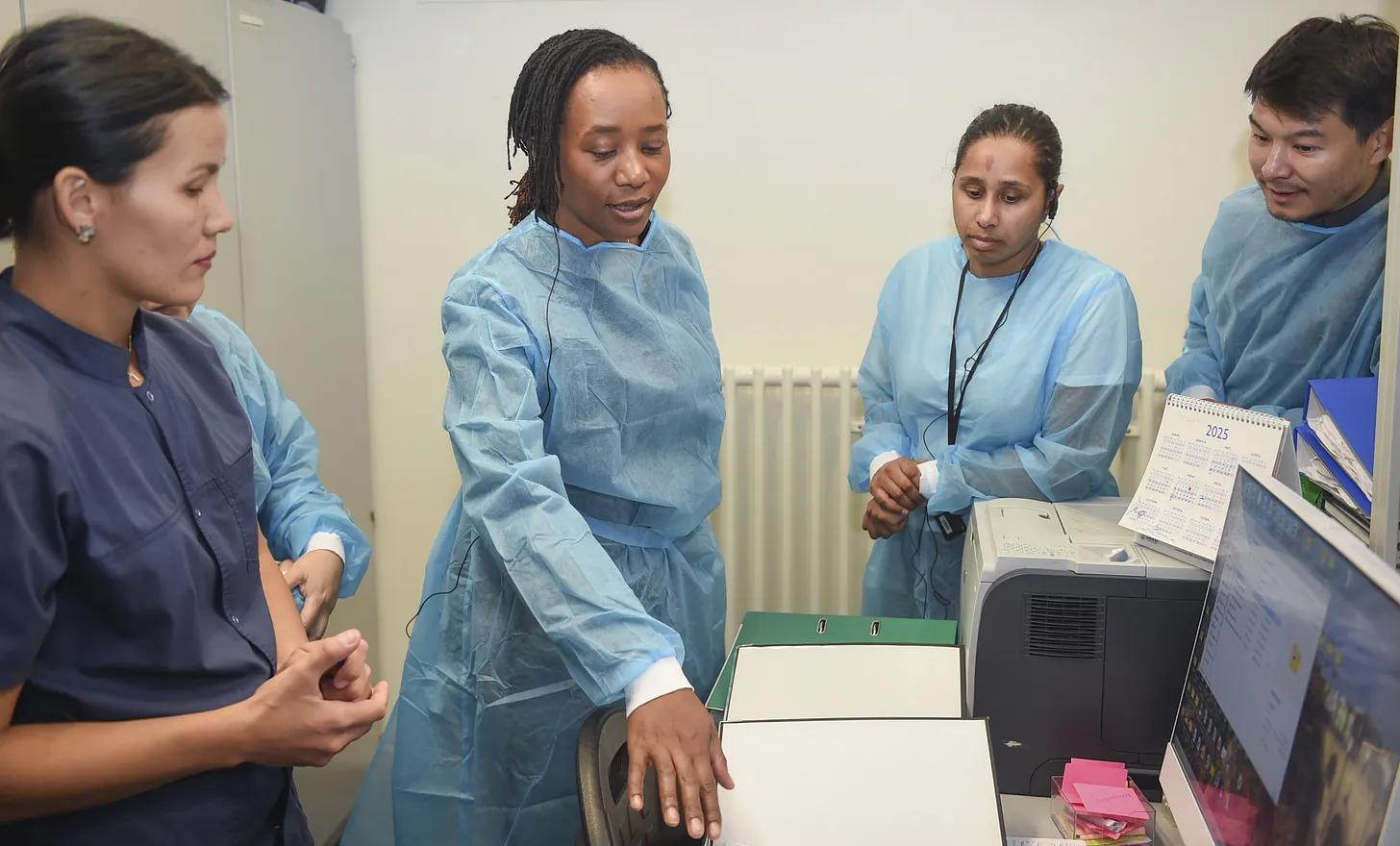
This month, a team of experts from the WHO Hub in Berlin and the WHO Regional Office for Europe visited Bishkek, Kyrgyzstan, to assess and strengthen the capacities of the country’s laboratories. The mission provided an opportunity to test parts of a new toolkit developed by countries and institutions that are part of the International Pathogen Surveillance Network (IPSN), a global network of pathogen genomic actors, brought together by the WHO Hub in Berlin.
➡️Read more on LinkedIn and share the post with your network.
Upcoming events and opportunities
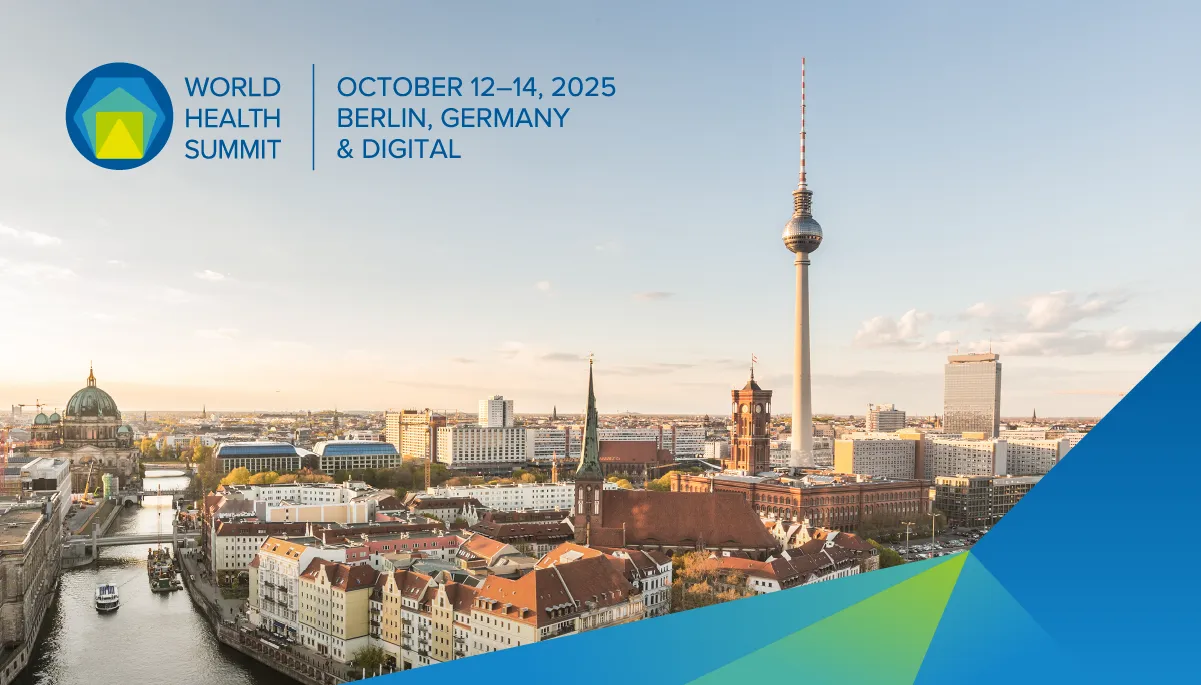
12 - 14 October 2025 - World Health Summit
This October, the WHO Hub in Berlin will once again join the World Health Summit to engage in vital discussions on today’s most pressing health challenges. The World Health Summit brings together global leaders from politics, academia, the private sector and civil society to explore bold ideas for a healthier future.
Date: 12 - 14 October 2025
Location: Berlin, Germany and online
Register here and check out the full programme.
The WHO Health Emergencies Programme organizes two sessions:
12 October – 2-3.30pm (CET)
Panel Discussion: The World Together: Driving Collective Responsibility and Action for Health Emergencies. This event will be livestreamed.13 October - 11am-12.30pm (CET)
Official Side Event: Who Pays to Keep the World Safe? – A Call to Action for Collaborative Surveillance. Seats are limited, please register here.13 October - 2.30 - 4.40pm (CET)
WHO Hub in Berlin event: NextGen Intelligence: Launch of EIOS v.2 and Pandemic Simulator Prototype. Seats are limited, please register here. This event will be livestreamed.
Third IPSN Global Partners Forum and PHA4GE Conference 2025 - Cape Town, South Africa
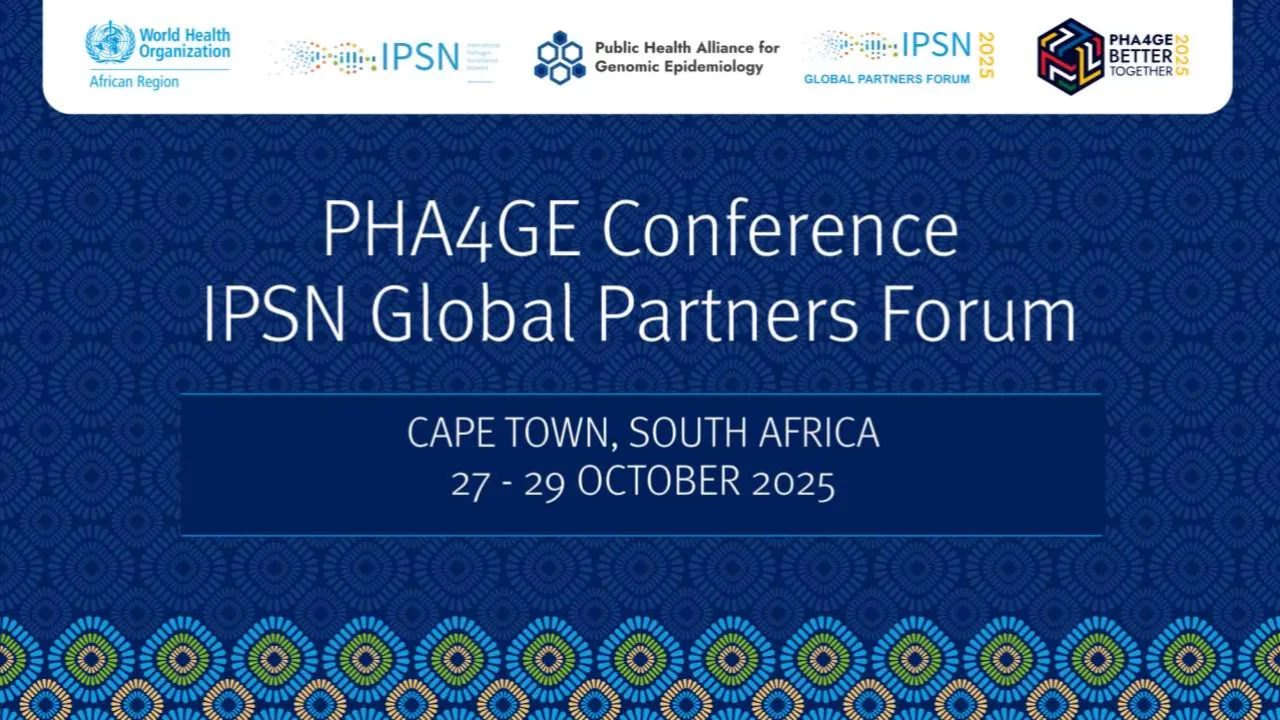
This year, the International Pathogen Surveillance Network (IPSN) is joining forces with the Public Health Alliance for Genomic Epidemiology (PHA4GE) and the WHO Regional Office for Africa for the PHA4GE Conference and IPSN Global Partners Forum 2025.
The joint event will explore the theme “Data for Action: Overcoming Challenges and Seizing Opportunities in Public Health Genomics.” It will bring together partners from around the world to strengthen capacity in genomic epidemiology and foster innovation that will drive real-world impact.
Date: 27–29 October 2025
Location: Cape Town, South Africa
Register here and find out more information.
Follow us on LinkedIn
The WHO Pandemic Hub is on LinkedIn! Follow us for regular updates in English and German on how we support public health intelligence communities worldwide with innovative solutions, knowledge-sharing networks and stronger systems for better decisions during epidemics and pandemics.
👉 Follow us and leave us a comment, share or like!